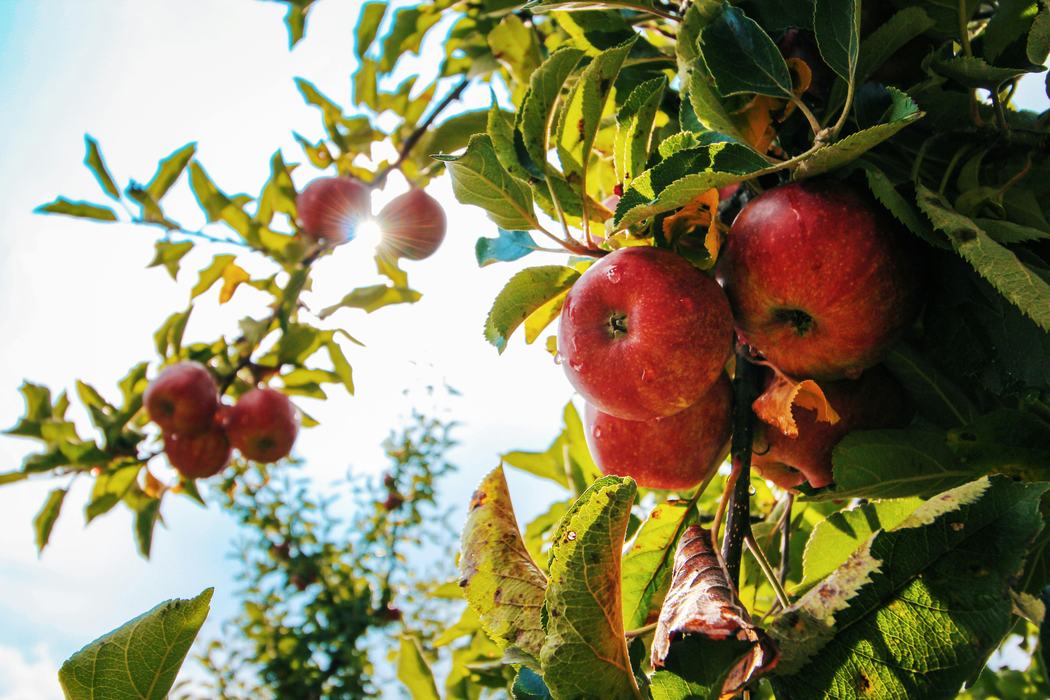
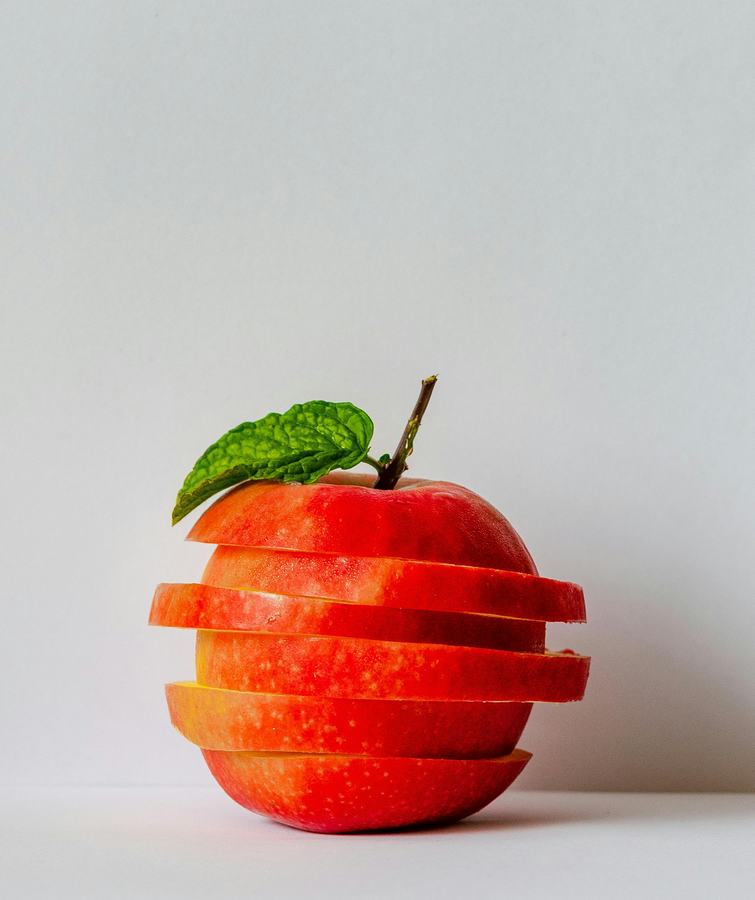
We’re seeing the early signs of fall with the changes in leaf color and breaks from the summer heat. That means one thing - apple harvest season. Apples have become such a symbol of fall that the entire month of October is deemed National Apple Month! Originally this celebration was founded as National Apple Week in 1904 before it expanded into the entire month of October.
We can celebrate apples by crunching into fresh apples, cooking up apple recipes, and enjoying apple themed activities. Here in Randolph County there are many ways to celebrate this fall fruit and local agriculture including apple picking, visiting a local orchard, and trying local apple cider products.
Food Safety:
Pick high quality apples that are free of bruises and blemishes. Food safety doesn’t end when you get home! Be sure to wash your apples well with cool running water before you cut, peel, or eat them. Do not use detergents and soaps to wash your apples as they can leave a residue that is not safe to consume.
See the video below to hear the safest way to wash produce according to Ben Chapman at N.C. State University.
The Safest Way to Wash Produce .
Recipes to Try:
Looking for ways to use apples at home? Try the recipes below using a variety of apples.
Apple Nachos
Ingredients:
- 4 medium apples (use a variety of tart and sweet apples of your choice)
- ¾ cup Natural peanut butter
- Mini chocolate chips
- Shredded unsweetened coconut
Directions:
- Wash hands thoroughly with soap and water. Wash apples well under cool, running water.
- Leave the peeling on the apples. Core and slice apples and arrange in one layer on a serving dish or plate.
- If your peanut butter is hard to drizzle, you can slightly warm it in the microwave or in a pot on the stove. Drizzle peanut butter over apple slices.
- Sprinkle mini chocolate chips and shredded coconut over the top.
- Serve and enjoy!
Apple Crisp
Ingredients:
- 4-5 medium apples
- ¼ cup oats
- ¼ cup flour
- ½ cup brown sugar
- 4 Tbsp butter
- 2 tsp apple pie spice
- 1 tsp cinnamon
Crisp Directions:
- Wash hands thoroughly with soap and water. Wash apples well under cool, running water.
- Preheat oven to 350℉ and spray nonstick cooking spray over a 9x9 baking dish.
- Core and slice apples. Spread in an even layer across the baking dish.
Crisp Topping Directions:
- Mix flour, oats, and brown sugar into a mixing bowl.
- Cut butter into small pieces and incorporate into the brown sugar mixture.
- Sprinkle over the sliced apples in the baking dish.
- Bake at 350℉ for 18 to 20 minutes when the crisp layer is golden.
Resources: